Thursday, February 10, 2011

Tuesday, January 11, 2011
Events in Brisbane . . .
Sorry, folks, things in Brisbane (where I am) are a bit on the floody side right now.
Will be picking things up again soon.
Will be picking things up again soon.
Sunday, January 9, 2011
9th of January
- 1905 -

A nightmare began in Europe that casts a shadow to this day.
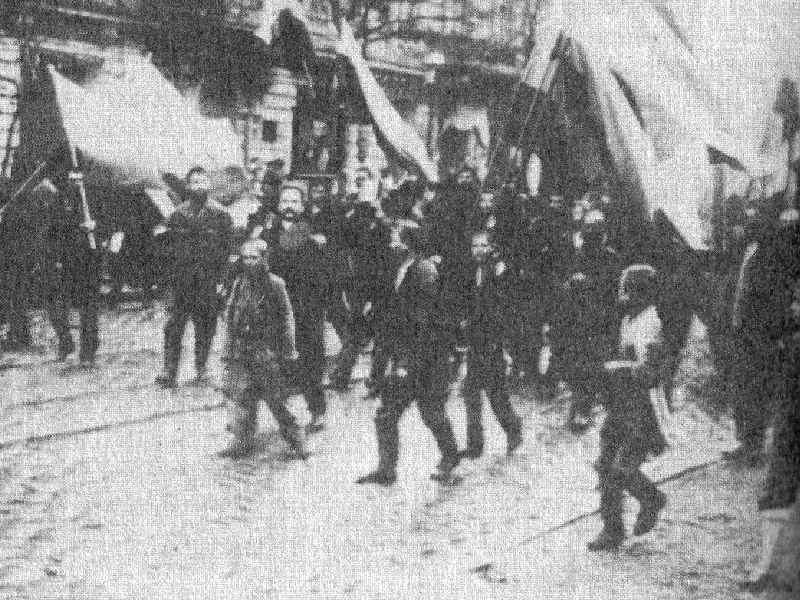
Кровавое воскресенье
A nightmare began in Europe that casts a shadow to this day.
Saturday, January 8, 2011
8th of January
- 1297 -
Monaco gains its independence from France. No word yet on when they’re going to gain their independence from Bernie Ecclestone.
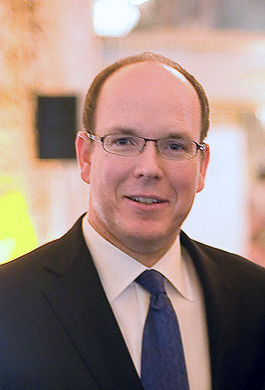 |
| In a shameless effort to get more traffic here’s a close up picture of a Prince Albert |
- 1835 -
US national debt hits zero for the last time. I’m not familiar with the causes of that development so I’ll have to assume that their national debt was as terrified of Andrew Jackson as everybody else was.
- 1918 -
President Woodrow Wilson delivers his famous “14 points” speech to a joint session of Congress. Wilson’s points (including the establishment of the League of Nations) were concerned with peace rather than revenge and were distributed behind German lines as propaganda.
The other allies (who didn’t have the luxury of only showing up for the tail-end of the war) were not inclined to be so lenient. The British had no intention of relinquishing dominance of the seas and the French were in desperate need of reparations after having their country blown up with gay abandon for the last several years. Wilson had to back down from almost all of his 14 points to push through his proposal for a League of Nations.
I’ll leave it to you folks to discuss amongst yourselves whether the League of Nations was more useful in preventing the Second World War than refraining from impoverishing Germany would have been.
- 1956 -
In Operation Auca five US Missionaries are killed by the Huaorani people of Ecuador. While some would ask what else one should expect for carrying out such a vile act of cultural imperialism it should be pointed out that their deaths were the direct result of one of the natives lying about their actions to save face.
Anthropologists have voiced concern over the loss of Huaorani culture. Since Huaorani culture had as one of its central tenants the understanding that anyone not related to them was an irredeemably wretched cannibal that can and should be brutally killed this is perhaps not as tragic a loss as they make out.
- 1964 -
LBJ begins the proud post-WW2 American tradition of declaring war on nouns, choosing poverty as his mark. One presumes this is, like the other anti-verb actions, a work in progress.
- 1989 -
47 people lose their lives in the Kegworth Air Disaster as British Midland Flight 92 crashes into the M1.
There were lots of births on this day as well but most of them are pretty obscure.
 |
| Nobody you’d have heard of. |
Friday, January 7, 2011
7th of January
Only two for today . . .
- 1797 -
The Italian flag is used for the first time.
- 1952 -
President Truman announces that the USA has developed the Hydrogen bomb. The USSR would follow in 1955, the Chinese in 1967.
So I'll let you folks play with this while I'm busy getting licker'd up with some Italianos.
Godetevi oggi, potrebbe non esserci un domani!
- 1797 -
The Italian flag is used for the first time.
- 1952 -
President Truman announces that the USA has developed the Hydrogen bomb. The USSR would follow in 1955, the Chinese in 1967.
So I'll let you folks play with this while I'm busy getting licker'd up with some Italianos.
Godetevi oggi, potrebbe non esserci un domani!
6th of January
- 1781 -
In the Battle of Jersey British forces repel an attempted invasion by the French. Being located so close to the French coast the channel island of Jersey was of immense strategic importance in any war between England and France (hardly an infrequent occurrence). The French (along with, it should be pointed out, the Catawaba, Dutch, Iroquois, Lenape and Spanish) were assisting the American revolutionaries in the war (a decision some may have regretted later in light of what happened to the Reserve of 1763 or the Philippines).
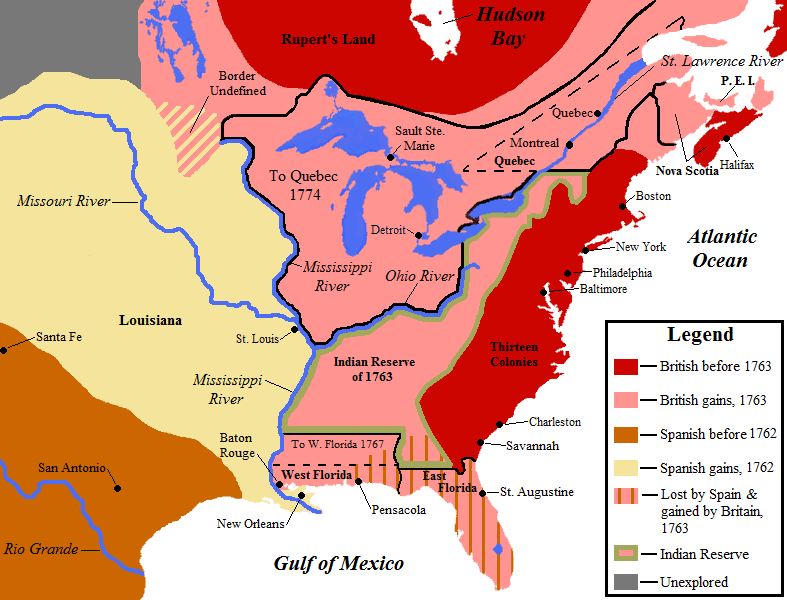 |
| Na, I can’t see any lines on this map. |
The British had used the island as a base for privateers and a general pain in France’s derrière for a number of years so anybody who relieved the Englanders of their prize was sure to receive the highest prestige for doing so. The plan was hatched by Baron Philippe de Rullecourt, an ambitious army colonel and general knock-about lad who was promised much by Louis XVI if he could pull of the job. A condition of the job was that it had to look like a private operation free of French fingerprints (going so far as staging a fake mass-desertion from the Army).
De Rullecourt chose a night when most of the English ships based there would be out looking for the Dutch and all locals would be completely sloshed to land on the island (which was very clever). He did, however, manage to misplace nearly half his force by the time he had landed (which wasn’t), meaning he would be attacking a heavily fortified island outnumbered 10-1 instead of 5-1 (which really, really wasn’t). Things went about as well as could be expected. De Rullecourt was wounded in the battle and died the next day having proved that while many people have huge brains and many people have huge balls it’s a truly rare gift to have both.
- 1838 -
Samuel Morse successfully tests the telegraph.
Given the man’s views one expects he was trying to find a more efficient way of delivering warnings against the dangers of “Popery” (which up ‘til now I’d thought was something my grandmother used to keep her wardrobe smelling floral).
 |
| ". . _ . _ . _ _ ." |
- 1994 -
Nancy Kerrigan is attacked at the U.S. Figure Skating Championship in Detroit. Talk show hosts finally start telling jokes about someone other than John Wayne Bobbit.
- 2010 -
More recently the Ady Gil (a 78’ boat with a top speed of 41 knots and a 13 ton displacement) was apparently “rammed” by a Japanese whaling ship (231’ with a top speed of 18.8 knots and a DWT of 628 tons) one can only presume that Japanese people are . . . magical?
Wednesday, January 5, 2011
5th of January
- 1066 -
Edward the Confessor dies childless, later that year came the Norman Invasion. Despite the grave temptation to do otherwise I’ll leave the details of that fascinating slab of medieval history for another time (I should leave it ‘til the 14th of October but I’m not sure I can hold it that long) and focus on the life and reign of the pivotal sovereign that perished on this day 945 years ago.
Many of you will know the name of Æthelred the Unready. It is widely believed that he came to be known as this because he was perpetually unprepared for the Danes’ attacks on his territory and demands for “danegeld.” He was, at the time, actually known as Æthelred Unræd; an Anglo-Saxon play-on-words which has naught to do with unreadiness. The word “Unræd” was an adjective in their tongue meaning “with no reputable policy” which was paired with his name; Æthelred, meaning “noble policy.” Jokes, it is said, never work when explained and one expects the same of Anglo-Saxon ones. For a native speaker of the same one presumes it was gold.
Poor old Æthelred tends to get a pretty bad rap in the common wisdom. He came to power at the tender age of ten in the wake of his brother’s murder and was used as a pawn in the constant power struggles of day. That he managed to survive at all, much less retain the crown is little short of amazing. Had he received the support of his generals he could well have driven the Danes from the British Isles and been remembered as a second Alfred the Great (from whom he was, after all, directly descended). As it was he had to keep buying off the Danes until in 1009 their king, Sweyn Forkbeard, demanded all of England as tribute. By 1013 Æthelred fled to . . . wait for it . . . Normandy where his wife, Emma, was already with her brother Richard the Good, Duke of Normandy, father of Robert the Devil, father of William the Bastard.
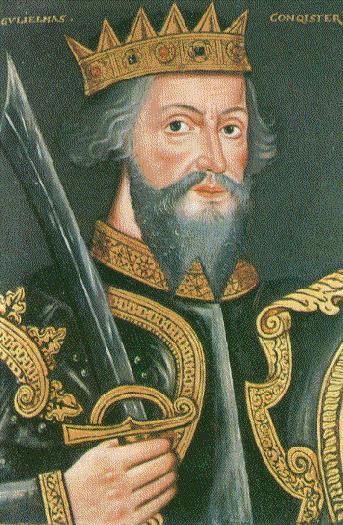 |
| If someone can take over your country and divide it up amongst a bunch of French knights you should probably come up with a more flattering moniker. |
Sweyn Forkbeard died suddenly after only a month or so and the title of King passed to Æthelred’s son Edmund Ironside in April 1016. By October he had been defeated by Sweyn’s son Cnut at the Battle of Ashingdon and by November had been assassinated.
In contrast to Æthelred, Cnut is viewed by many in a very favourable light despite his ruthless methods. Cnut exiled Edmund’s sons and had his brother killed before securing his claim to the throne by marrying Æthelred’s widow Emma, although he was still married. This would tie him to the previous ruling house and prevent him from killing off her remaining sons, one of whom was Edward (later the Confessor) who would reign after Cnut’s two sons.
Edward had spent 26 years as an exile in Normandy. His dress, language and customs were all Norman-French as was the Architectural Style he favoured (his most majestic building project, Westminster Abbey, was built in the Norman style despite being constructed before the Norman Invasion).
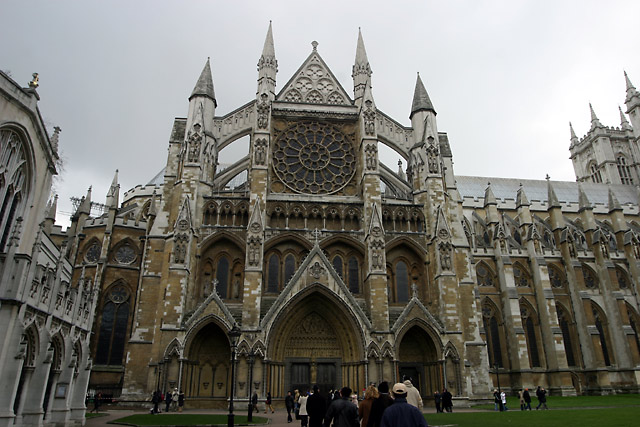 |
| Bloody French . . . at it again. |
To secure his position he needed to marry Eadgyth, daughter of Earl Godwin, one of the most powerful men in the country. Edward could be forgiven for doing his best Jimmy Cagney, given that Godwin was a dirty rat who had indeed killed his brother Alfred to keep Cnut’s son on the throne. Offering Godwin a chance to have his own grandson as heir to the English crown was a sure fire way to keep Godwin on side and make sure he didn’t just whack anyone else who got in the way and put one of his wretchedly corrupt sons in power.
When an heir was not forthcoming it was clear things were going to get ugly . . . but as I said earlier, that’s another story for another post. Stay tuned to find out what happens next (or just go and read a damn book).
I’m sorry that it’s only a short one today. I’ve got a lot going on this week.
Tuesday, January 4, 2011
4th of January
- 46 BC -
Julius Caesar defeats Titus Labienus at the Battle of Ruspina. You’ve never heard of Titus Labienus? Me neither. I guess now we know why.

I was looking for a picture of him to put an amusing
fail-related caption on but couldn’t find one.
Have an adorable puppy instead.
- 1341 -
Wat Tyler is born. He is remembered now, by many, as the ultimate ancestor of trade unions, revolutions and living under any system other than brutal, medieval feudalism. It’s easy to play the “Wat Tyler, father of [insert cause here]” game since the only literate folks were on the other side in the Peasants’ Revolt. We don’t know what he actually did believe beyond taking an educated guess that he’d prefer not to live in misery and die early of preventable causes, all the while covered in shit.
The story goes that the Mayor of London didn’t like the cut of his jib and murdered the shit out of him. This is a solution employed by many throughout history for dealing with annoying and inconvenient people. As you’ll see below . . .
- 1642 -
Charles I sends some guys around to arrest Parliament. This starts the English Civil War.
That’s the version of it that most of us are familiar with. The truth, as is often the case, was a bit more complicated. For a start nobody ever mentions Charles’ sister.
Wind the clock back about 30 years and you see (said sister) Elizabeth being married off to a German fellow called Fredrick (5th Elector Palantine, Head of the Protestant Union). Shortly thereafter the people of Bohemia (who elected their own “kings” but were really just a province of the Holy Roman Empire), fearing that their Hapsburg king, Ferdinand II, would turn Bohemia into an absolute monarchy, elected Frederick instead.
Without going into detail, an event followed called the Thirty Years War. Fought largely in what’s now Germany it plunged many of the European powers into a conflict that would drag on for three decades. Although the Bohemian dispute was largely political the British royal family saw it as a religious one that made a union between Catholic and Protestant powers imperative for preserving peace in Europe. The obvious solution was for Charles I’s father, King James (yeah, the Bible guy, that one), to arrange a marriage to the Spanish Infanta. Parliament hated the idea.
A somewhat covert mission by Charles and Co. ended badly. The Spanish were only prepared to go through with the marriage if Charles agreed to become a Roman Catholic and remain as a hostage in Spain for a year. Clearly these terms were not acceptable. It was a humiliating defeat and Charles wanted to repay it with another one, to be delivered on the battlefield. On his return home Charles demanded his father declare war on Spain. Pursuing funds for this did involve sacking the odd minister here and there so the struggle for power between King and Parliament was well underway before Charles had even become king.
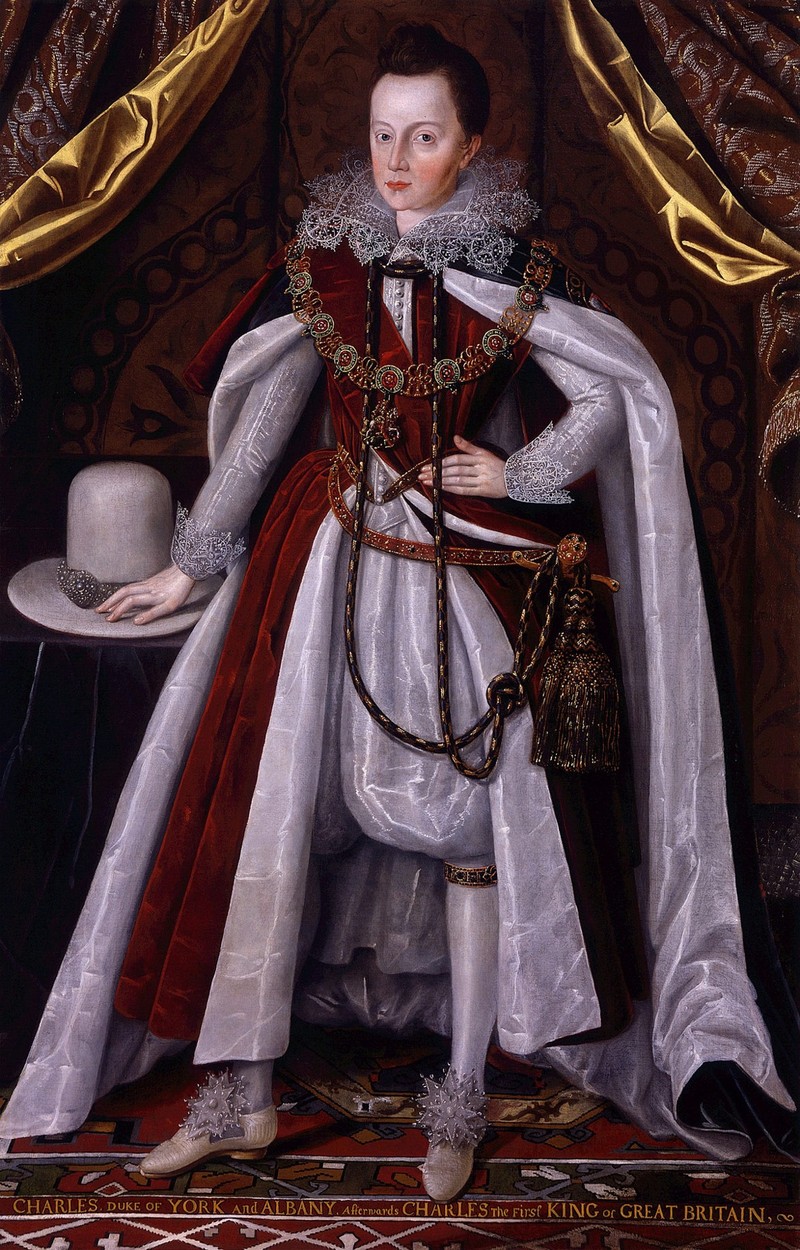
“Daaaaaad, Jennifer Watson won’t go to the school dance with me
can you please bomb the shit out of her house!”
can you please bomb the shit out of her house!”
England had lost substantial territory on the continent during the Thirty Years War and the Spanish were helping the side the English weren’t on. To Charles the solution was simple: he would wage war on Spain and parliament would pick up the tab. Parliament didn’t like the sound of that and wouldn’t let him use the treasury as a war chest. Charles believed in the divine right of kings which, in practical terms, meant he should be able to levy taxes as and when he pleased and arrest anyone who annoyed him (it sounds quite horrible to us, and it is, but in the preceding centuries had been quite commonplace).
Charles I sounds like the villain of tale, which isn’t entirely unfair but it would be remiss not to indict his father’s favourite, George Villiers, 1st Duke of Buckingham. Villiers had engineered the dismissal of Francis Bacon and Lionel Cranfield. Villiers had come along on (and, by many accounts, completely screwed up) the failed mission to Spain (the Spanish Ambassador asked for him to be executed on his return). Villiers had been riding roughshod over parliament with Charles since before James had died. Villiers led the failed Cadiz Expedition and the equally failed Siege of Saint Martin de Re. Fortunately, when he was down the pub one day, an army officer (wounded in one of Villiers’ earlier failures) kindly stabbed him to death before he could fuck anything else up.

Don’t worry, guys, he’ll probably fail at dying, too.
That’s enough for today. You’re supposed to be remembering the Ogoni anyway.
Monday, January 3, 2011
3rd of January
- 1496 -
Leonardo da Vinci reminds us that even the best have stinkers sometimes by unsuccessfully testing one of his flying machines. The world would have been a different place if he had succeeded (but you could say that about most of his inventions).

Better luck with your spinning blades of death
- 1521 -
Pope Leo X excommunicates Martin Luther. Leo had handled the reformation very poorly. The notion of an idea being able to spread across the continent in a matter of months was a bit foreign at the time and so it’s understandable that Leo dithered for six months before gagging some monks and essentially driving Scandinavia to the Protestant side by using it as a Papal piggy bank.
It should be noted that Leo actually did have a white elephant . . . for no particular reason.
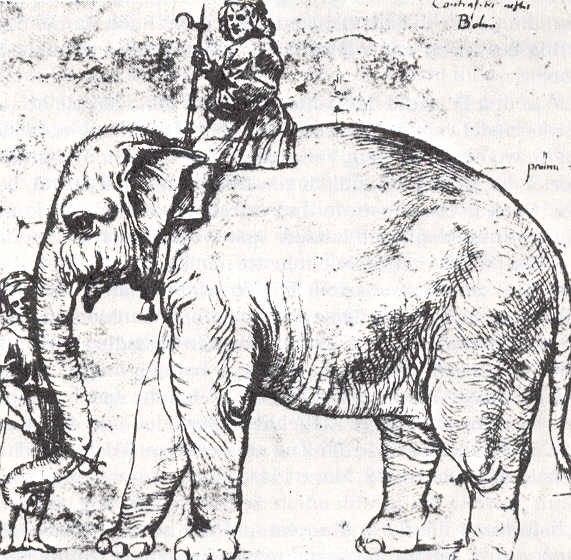
It would be the most robust popemobile until JP2 got his G-Wagen
- 1815 -
Austria, France and Great Britain signed a secret alliance against the Prussians and Russians (who were, at the time, everybody’s least favourite ‘ussians). This was a very odd alliance for the British and Austrians. France was seen by most to have instigated most of the wars (the Post-Revolutionary and Napoleonic Wars) which had marred the last three decades so was an odd bedfellow made palatable only by their new management. It was less than two months before Napoleon returned from exile for his Hundred Days and the French government needed all the friends they could get.
The British were motivated by concern about an increasingly militaristic Prussia (a trend which continued for the next century to its inevitable conclusion) and a deeply mistrusted Russia. Keeping Russia from becoming the dominant power in Europe was a priority for many nations at the time and wars like the Crimean War would be fought to keep them from ascendancy.
The January 3rd alliance was a big strategic manoeuvre between the allied powers while Russia and Prussia were both at the table at the Congress of Vienna (Sept. 1814 – June 1815). Although it was called a congress it was, in practice, just a long series of small meetings between foreign ministers, diplomats and heads of state. It was still revolutionary in that it was the first time all the European powers had come together to find peaceful resolutions to pressing international issues (which in this case meant dividing up the scraps of post-Napoleonic Europe).

Map of post-congress Europe included for anyone who cares.
During the congress France was in the worst bargaining position of all (much like Germany in 1918) so Foreign Minister Talleyrand-Périgord found himself aligning with the smaller players like Spain and Portugal to curb the ambitions of the big dogs in the yard (Austria, U.K., Prussia and Russia). Thanks largely to his efforts France came out of the negotiations if not unscathed, at least better off than their Teutonic counterparts would be left a century later.
The congress put in place a model of Europe that would remain almost completely unchanged until the First World War and was itself a model that the League of Nations would be based on. Although it didn’t work out well for everyone (Finland was to remain in Russian hands until 1917, The King of Sardinia quite fancied the Republic of Genoa because it was near some stuff he was getting back) it did guarantee safe travel up the Rhine and Danube Rivers as well as condemning slavery (for anyone who had missed that memo).
- 1956 -
The top of the Eiffel Tower caught fire. Strangely enough in December of the same year there was a fire in the ballroom of the Blackpool Tower Complex (a kind of low-budget English knock-off of the French one).

See, virtually identical
I don’t know what exactly there is to burn at the top of the Eiffel Tower (or where the fire would pose a danger of spreading to) but apparently the same thing happened in 2003.
- 1962 -
Pope John XXIII excommunicated Fidel Castro. I won’t comment on whether or not it “works” but excommunication is basically when the Pope tells someone to fuck off. In which case: well done, John.
Sunday, January 2, 2011
2nd of January
- 533 -
Pope John II becomes the first pope to assume a different name on becoming pontiff, abandoning his given name; Mercurius. Not wishing to offend any of papist persuasion but I’d have preferred this tradition not to catch on. This would have given us popes with names like Maffeo, Fabio, Albino and Deusdedit which would be more interesting. At the very least it would mean we wouldn’t have eleventy-million Pope Johns anymore (it would, however, probably mean eleventy-million Pope Giovannis instead so maybe we should just ignore what I think).
- 1699 -
Osman III is born, destined to become the Ottoman Sultan and a colossal anus (two occupations that overlap with depressing frequency). During his reign Christians and Jews were forced to wear distinctive badges, which seems oddly familiar. Osman had spent next to no time outside the palace so was mad as a (thoroughly misogynistic) brush and used to stomp around in iron shoes so that all the women could hear him coming and run away. He apparently died childless (who could’ve guessed?).
- 1860 -
French mathematician Urbain Jean Joseph Le Verrier discovers a planet that doesn’t exist. Vulcan, as he called it, was never seen but he was sure it was there. He proved it with, like, maths and shit. To be fair this wasn’t the first time he’d done something like this. In 1846 he’d managed to discover Neptune without ever having seen it. Uranus was acting like it had a planet behind it and now Mercury was doing the same thing.
Fair enough, there should have been a planet behind Mercury. Le Verrier even had a name picked out for it; Vulcan – the Greek god of humourless blacksmiths with pointy ears. When a doctor called Edmond Modeste Lescarbault wrote to Le Verrier saying that he’d observed the planet it seemed too good to be true. Lescarbault wanted to be an astronomer more than anybody’s ever wanted anything, even going so far as to build an observatory in his house.

Le Verrier desperately wanted Lescarbault to be right because that would mean he’d have two out of two for discovering planets without even seeing them. Lescarbault desperately wanted Le Verrier to be right because that would mean he was the bestest astronomer evar.
The discovery of the new planet was announced to the Académie des Sciences in Paris and Lescarbault’s dream was realised. He was awarded the Légion d’Honneur and was invited to all the fanciest smart-people events. Not everyone agreed and over the years the number of people who claimed they had seen Vulcan was depressingly small. Le Verrier dutifully collected all the alleged sightings sent in by amateur astronomers and refined his astonishingly accurate predictions of where his planet damn well should be.
He went to his grave in 1877 still claiming that Vulcan was there. It wasn’t until 1915 that Einstein proved (in a boring, mathematical way) that Vulcan didn’t need to exist. The numerical oddities that prompted Le Verrier to calculate that Vulcan was there could be explained with the theory of relativity’s new, improved version of what-gravity-does. Mercury was, Einstein concluded, probably just acting like there was another planet behind it.
It would have been a slightly depressing ending but in 1970 (when, many folks agree, drugs were at their most potent) American astronomer Henry C. Courten claimed to have seen a planet like object inside Mercury’s orbit along with some other asteroids. It hasn’t been seen since but a number of asteroids in this region have been verified. They’re called “vulcanoids” after the planet that was sought so tenaciously in its place. I don’t know if Lescarbault would call it a legacy but it’s certainly a lot closer than most of us are going to get.
- 1911 -
A couple of weeks earlier a group of armed burglars had been interrupted in an East London jewellery store. 18 police officers (half of whom were unarmed) arrived on the scene to be shot at with gay abandon. Three officers were killed in what would be known as the Houndsditch Murders.
Having lost some of their own the police were determined not to make the same mistake when they were informed of the surviving burglar’s whereabouts. 200 officers cordoned off the area around 100 Sidney Street. Despite their huge advantage of numbers the Metropolitan Police still found itself more or less outgunned by the small band of politically active Latvian burglars.
The police weren’t the only ones interested in the siege. Then Home Secretary Winston Churchill had heard about the siege and had arrived on the scene with a detachment of Scots Guards and a piece of field artillery en route . . . you know, just in case. By the time the big gun showed up the building was already in flames anyway and Churchill decided the fire brigade should just hold off for a bit to see what would happen. The place burned down and the two burglars inside were roasted which wasn’t actually that surprising when you think about it.
- 1959 -
The Soviet Union launch Luna I, the first vehicle to exit the Earth’s orbit, circle the moon and settle in a heliocentric orbit. The little rocket that could celebrated it’s achievement by doing a huge straight-line burnout over the Indian Ocean (one presumes releasing 1kg of sodium gas in a glowing, orange trail is the astronomical equivalent of cutting a massive 11).
Luna I now lives the quiet life between the orbits of the Earth and Mars under the name Мечта (Russian: “Dream”). A year, in its neighbourhood, takes 450 days so it’s probably aging gracefully.
Pope John II becomes the first pope to assume a different name on becoming pontiff, abandoning his given name; Mercurius. Not wishing to offend any of papist persuasion but I’d have preferred this tradition not to catch on. This would have given us popes with names like Maffeo, Fabio, Albino and Deusdedit which would be more interesting. At the very least it would mean we wouldn’t have eleventy-million Pope Johns anymore (it would, however, probably mean eleventy-million Pope Giovannis instead so maybe we should just ignore what I think).
- 1699 -
Osman III is born, destined to become the Ottoman Sultan and a colossal anus (two occupations that overlap with depressing frequency). During his reign Christians and Jews were forced to wear distinctive badges, which seems oddly familiar. Osman had spent next to no time outside the palace so was mad as a (thoroughly misogynistic) brush and used to stomp around in iron shoes so that all the women could hear him coming and run away. He apparently died childless (who could’ve guessed?).
- 1860 -
French mathematician Urbain Jean Joseph Le Verrier discovers a planet that doesn’t exist. Vulcan, as he called it, was never seen but he was sure it was there. He proved it with, like, maths and shit. To be fair this wasn’t the first time he’d done something like this. In 1846 he’d managed to discover Neptune without ever having seen it. Uranus was acting like it had a planet behind it and now Mercury was doing the same thing.
Fair enough, there should have been a planet behind Mercury. Le Verrier even had a name picked out for it; Vulcan – the Greek god of humourless blacksmiths with pointy ears. When a doctor called Edmond Modeste Lescarbault wrote to Le Verrier saying that he’d observed the planet it seemed too good to be true. Lescarbault wanted to be an astronomer more than anybody’s ever wanted anything, even going so far as to build an observatory in his house.

Is that a grain silo or a preliminary study for the Maginot Line?
Le Verrier desperately wanted Lescarbault to be right because that would mean he’d have two out of two for discovering planets without even seeing them. Lescarbault desperately wanted Le Verrier to be right because that would mean he was the bestest astronomer evar.
The discovery of the new planet was announced to the Académie des Sciences in Paris and Lescarbault’s dream was realised. He was awarded the Légion d’Honneur and was invited to all the fanciest smart-people events. Not everyone agreed and over the years the number of people who claimed they had seen Vulcan was depressingly small. Le Verrier dutifully collected all the alleged sightings sent in by amateur astronomers and refined his astonishingly accurate predictions of where his planet damn well should be.
He went to his grave in 1877 still claiming that Vulcan was there. It wasn’t until 1915 that Einstein proved (in a boring, mathematical way) that Vulcan didn’t need to exist. The numerical oddities that prompted Le Verrier to calculate that Vulcan was there could be explained with the theory of relativity’s new, improved version of what-gravity-does. Mercury was, Einstein concluded, probably just acting like there was another planet behind it.
It would have been a slightly depressing ending but in 1970 (when, many folks agree, drugs were at their most potent) American astronomer Henry C. Courten claimed to have seen a planet like object inside Mercury’s orbit along with some other asteroids. It hasn’t been seen since but a number of asteroids in this region have been verified. They’re called “vulcanoids” after the planet that was sought so tenaciously in its place. I don’t know if Lescarbault would call it a legacy but it’s certainly a lot closer than most of us are going to get.
- 1911 -
A couple of weeks earlier a group of armed burglars had been interrupted in an East London jewellery store. 18 police officers (half of whom were unarmed) arrived on the scene to be shot at with gay abandon. Three officers were killed in what would be known as the Houndsditch Murders.
Having lost some of their own the police were determined not to make the same mistake when they were informed of the surviving burglar’s whereabouts. 200 officers cordoned off the area around 100 Sidney Street. Despite their huge advantage of numbers the Metropolitan Police still found itself more or less outgunned by the small band of politically active Latvian burglars.
The police weren’t the only ones interested in the siege. Then Home Secretary Winston Churchill had heard about the siege and had arrived on the scene with a detachment of Scots Guards and a piece of field artillery en route . . . you know, just in case. By the time the big gun showed up the building was already in flames anyway and Churchill decided the fire brigade should just hold off for a bit to see what would happen. The place burned down and the two burglars inside were roasted which wasn’t actually that surprising when you think about it.
- 1959 -
The Soviet Union launch Luna I, the first vehicle to exit the Earth’s orbit, circle the moon and settle in a heliocentric orbit. The little rocket that could celebrated it’s achievement by doing a huge straight-line burnout over the Indian Ocean (one presumes releasing 1kg of sodium gas in a glowing, orange trail is the astronomical equivalent of cutting a massive 11).
Luna I now lives the quiet life between the orbits of the Earth and Mars under the name Мечта (Russian: “Dream”). A year, in its neighbourhood, takes 450 days so it’s probably aging gracefully.
Saturday, January 1, 2011
Rolling Out The Welcome Mat . . .
This is the shiny new blog . . . which I've messed up already. I didn't realise that blogger.com runs off a different timezone so it isn't "today" as such where I am until four in the afternoon (but I'm sure most folks can be trusted to work out what day the January 1st post was supposed to go up on).
This blog isn't meant to be a serious exercise or a work of great academic merit. Primarily it's just for me to amuse myself and at least try to be a bit disciplined in my writing and actually put something up every day. The theme's fairly straightforward and as I said; not necessarily a better history lesson than any given episode of Blackadder.
I don't intend to annoy anyone and I'm not motivated by a desire to spend the rest of my life arguing with strangers on the internet. I hope some of you will enjoy this, for those that don't; it's a big internet out there, I'm sure you'll find lots of other things you do like.
This blog isn't meant to be a serious exercise or a work of great academic merit. Primarily it's just for me to amuse myself and at least try to be a bit disciplined in my writing and actually put something up every day. The theme's fairly straightforward and as I said; not necessarily a better history lesson than any given episode of Blackadder.
I don't intend to annoy anyone and I'm not motivated by a desire to spend the rest of my life arguing with strangers on the internet. I hope some of you will enjoy this, for those that don't; it's a big internet out there, I'm sure you'll find lots of other things you do like.
Subscribe to:
Comments (Atom)